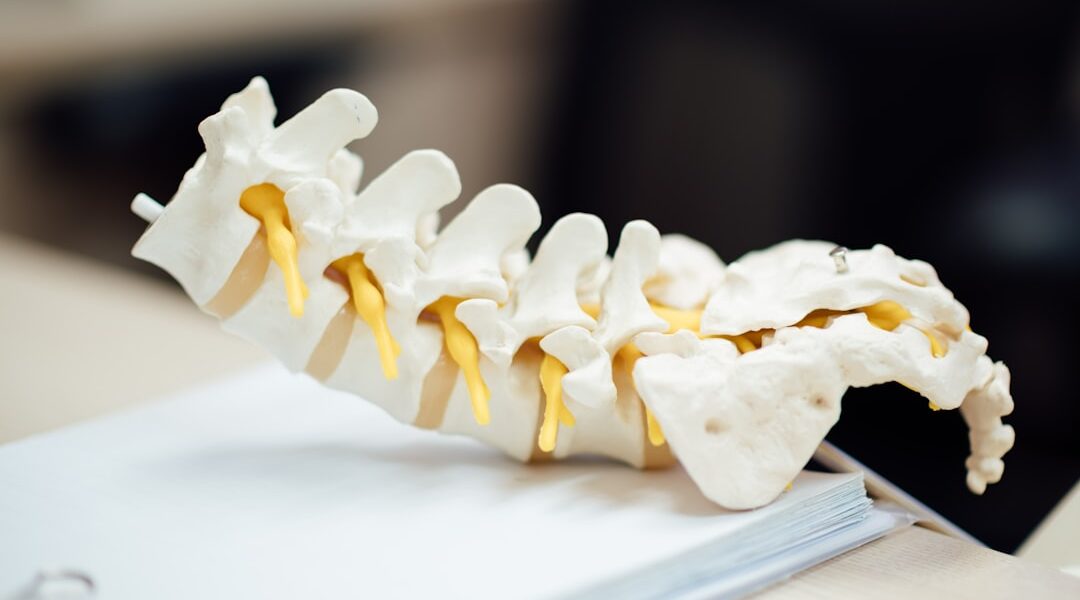

Choosing the right specialist for spinal concerns is an important part of maintaining mobility, comfort, and everyday function. When people search for a spine surgeon near me, they are often looking for accessible professional care combined with a clear understanding of available treatment options. Modern spine care has developed considerably, with specialists using detailed evaluations and minimally invasive techniques to address selected spinal conditions while focusing on efficient recovery and long-term results.
Table of Contents
- Understanding the Role of a Spine Specialist
- Modern Diagnosis Supports Better Treatment Planning
- The Growing Role of Endoscopic Spine Surgery
- Benefits of a Personalized Surgical Approach
- Selecting the Right Spine Care Team
- Conclusion
Understanding the Role of a Spine Specialist
Spine surgeons evaluate conditions affecting the vertebrae, discs, nerves, and surrounding structures. Their work is not limited to surgery. A comprehensive consultation can help determine whether symptoms may improve through conservative treatment, physical rehabilitation, medication, injections, or another appropriate approach.
This evaluation-based model creates a more structured path toward treatment. Instead of focusing immediately on a procedure, the specialist studies the source of symptoms and considers how the condition affects movement, comfort, and daily activities.
Modern Diagnosis Supports Better Treatment Planning
Accurate diagnosis is central to effective spine care. A specialist may review the patient’s symptoms, medical history, physical examination findings, and imaging studies to understand the condition more clearly. MRI and other imaging methods can provide valuable information about discs, nerves, spinal narrowing, and structural changes.
The combination of clinical assessment and imaging allows treatment decisions to be more personalized. Each spinal condition has different characteristics, so the appropriate approach can vary significantly between patients.
The Growing Role of Endoscopic Spine Surgery
Endoscopic spine surgery represents an important development in minimally invasive spinal care. The technique uses an endoscope and specialized instruments to provide visualization of the treatment area through a small access point. Research has highlighted its potential for reducing tissue disruption, blood loss, and hospital stay in appropriately selected cases.
This approach can be considered for selected conditions such as certain disc herniations and forms of spinal stenosis. The suitability of an endoscopic procedure depends on the individual’s diagnosis, anatomy, symptoms, and overall treatment requirements.
Benefits of a Personalized Surgical Approach
Modern spine treatment places considerable emphasis on preserving healthy tissue whenever clinically appropriate. Minimally invasive techniques are designed to reach the affected spinal area while limiting unnecessary disruption to nearby muscles and tissues.
For suitable patients, this approach may contribute to smaller incisions, reduced postoperative discomfort, shorter hospital stays, and a more efficient return to routine activities. These potential benefits are among the reasons endoscopic techniques continue to receive attention in contemporary spine care.
Selecting the Right Spine Care Team
Experience with the relevant treatment technique is an important consideration when evaluating spine care. Patients can look for a specialist who provides detailed assessments, explains available options clearly, and develops treatment recommendations around individual clinical needs.
A strong consultation should also create an opportunity to discuss expected recovery, rehabilitation, follow-up care, and the goals of treatment. Clear communication can make the overall treatment journey more organized and reassuring.
Conclusion
Modern spine care combines careful diagnosis, individualized planning, and continually developing treatment techniques. Endoscopic and minimally invasive approaches have expanded the options available for selected spinal conditions, while specialist evaluation remains essential for determining the most appropriate course of care. Finding an experienced spine specialist can provide a structured starting point for understanding symptoms, exploring suitable treatments, and working toward improved mobility and quality of life.
What You Need to Know
- Spine surgeons evaluate conditions affecting vertebrae, discs, nerves, and surrounding structures, and their work includes more than just surgery.
- Accurate diagnosis is essential for effective spine care, involving a review of symptoms, medical history, physical examinations, and imaging studies.
- Endoscopic spine surgery utilizes an endoscope for visualization through a small access point, minimizing tissue disruption and hospital stays for selected conditions.
- Minimally invasive techniques in modern spine treatment aim to preserve healthy tissue and contribute to quicker recovery and reduced postoperative discomfort.
- Patient experience with treatment techniques and personalized assessments are critical factors to consider when selecting a spine care specialist.
- Effective communication during consultations can enhance the treatment journey by providing clarity on recovery, rehabilitation, and treatment goals.