
Gypsum false ceilings have become one of the most widely used interior design solutions in modern architecture, making the selection of the best gypsum false ceiling an important decision. They offer a clean aesthetic, improved lighting integration, and enhanced functionality for residential, commercial, and hospitality spaces. However, selecting the right system is not just about appearance; it involves evaluating performance, durability, installation quality, moisture resistance, and long-term maintenance needs.
Proper planning also ensures compatibility with lighting layouts and room proportions. A well-informed decision ensures that the ceiling not only enhances visual appeal but also contributes to comfort, efficiency, thermal insulation, and structural safety in modern interior environments.
Understanding Gypsum False Ceilings
A gypsum false ceiling is a secondary ceiling installed below the main concrete slab using gypsum boards fixed on a metal framework. These boards are manufactured with consistent density and smooth finishing, which makes them ideal for creating seamless interior surfaces. They are widely preferred because they allow creative design flexibility while also concealing electrical wiring, ductwork, and structural imperfections.
Gypsum is a naturally occurring mineral that is processed into boards suitable for interior construction. These boards are lightweight, fire-resistant, and easy to shape, making them suitable for both simple and complex ceiling designs. Their adaptability has made them a standard choice in modern interior projects.
Key Factors to Consider When Selecting a Gypsum Ceiling
1. Purpose of the Space
Each room has a different function, and the ceiling design should align with that purpose. Living rooms often require decorative lighting and layered ceilings, while bedrooms benefit from softer, minimal designs that promote relaxation. Kitchens and bathrooms may require moisture-resistant boards due to exposure to humidity and temperature changes.
2. Ceiling Height and Proportions
Ceiling height plays a critical role in design selection. Lower ceilings require minimal drop levels to avoid making the space feel cramped. On the other hand, high ceilings allow for multi-layered and decorative patterns. Maintaining proper proportion ensures the room feels balanced and visually comfortable.
3. Material Quality and Board Selection
Gypsum boards come in different types, including standard, fire-resistant, moisture-resistant, and impact-resistant variants. Choosing the correct type is essential for ensuring durability and safety. High-quality boards reduce the risk of cracks and provide better finishing results over time.
A poor-quality board may initially appear cost-effective but often leads to higher maintenance expenses in the long run.
4. Lighting Integration and Electrical Planning
Lighting is one of the most important aspects of gypsum ceiling design. Proper integration of recessed lights, LED strips, cove lighting, and decorative fixtures must be planned in advance. Incorrect placement can affect both aesthetics and functionality.
Electrical wiring should be carefully concealed within the ceiling framework, ensuring safety and easy access for future maintenance. A well-designed lighting plan enhances ambiance and highlights architectural features.
5. Structural Strength and Safety Considerations
Although gypsum boards are lightweight, they rely on a strong metal framework for support. The framing system must be installed with precision to ensure stability. Heavy fixtures such as fans or chandeliers should always be fixed to the main structural slab rather than the false ceiling.
Safety should always be prioritized during installation to prevent long-term structural issues.
6. Thermal Insulation and Acoustic Performance
One of the major advantages of gypsum ceilings is their ability to improve thermal insulation. They help reduce heat transfer between floors, making interiors cooler and more energy efficient. Additionally, gypsum ceilings provide sound insulation, which is particularly useful in apartments, offices, and commercial spaces where noise control is important.
7. Moisture and Environmental Resistance
Moisture is one of the biggest threats to ceiling durability. In areas like bathrooms, kitchens, or coastal regions, moisture-resistant gypsum boards should be used. Without proper protection, standard boards may absorb moisture, leading to swelling or deterioration over time.
Proper ventilation and leak prevention also play a key role in maintaining ceiling quality.
8. Maintenance and Accessibility
Maintenance is often overlooked during planning. Gypsum ceilings require periodic inspection, especially for electrical systems and hidden components. Designing access points for wiring, ducts, and lighting fixtures makes future repairs easier and less costly.
A well-planned ceiling system reduces long-term maintenance challenges significantly.
9. Budget and Cost Considerations
Cost is an important factor in ceiling selection. Pricing depends on board quality, design complexity, labor charges, and lighting integration. Simple designs are more economical, while layered and decorative ceilings increase overall cost.
It is important to balance budget with durability and design requirements to achieve long-term value rather than short-term savings.
Design Flexibility and Modern Applications
Gypsum ceilings offer exceptional design flexibility. They can be shaped into curves, geometric patterns, floating layers, or minimalist flat surfaces. This versatility makes them suitable for both contemporary and traditional interiors, especially when sourced from the best false ceiling supplier for consistent quality and precision.
Modern interior designers often use gypsum ceilings to create visual depth, highlight lighting features, and enhance spatial aesthetics. Their smooth surface also allows for easy painting and finishing, making them adaptable to different interior themes.
Importance of Professional Installation
Even the highest quality materials can fail if installation is not done correctly. Skilled labor is essential for accurate alignment, proper framing, and smooth finishing. Poor installation can result in visible joints, cracks, or uneven surfaces.
Professional execution ensures that electrical systems are safely integrated and that the ceiling maintains structural integrity over time. Precision during installation is one of the most critical factors in achieving long-lasting results.
Conclusion
Selecting a gypsum false ceiling requires careful consideration of multiple technical and design factors. From material selection and lighting integration to structural safety and long-term maintenance, every detail contributes to the overall performance of the ceiling. A well-planned approach ensures durability, aesthetic appeal, and functional efficiency. Choosing the best gypsum false ceiling ensures a superior finish, better longevity, and improved interior performance.
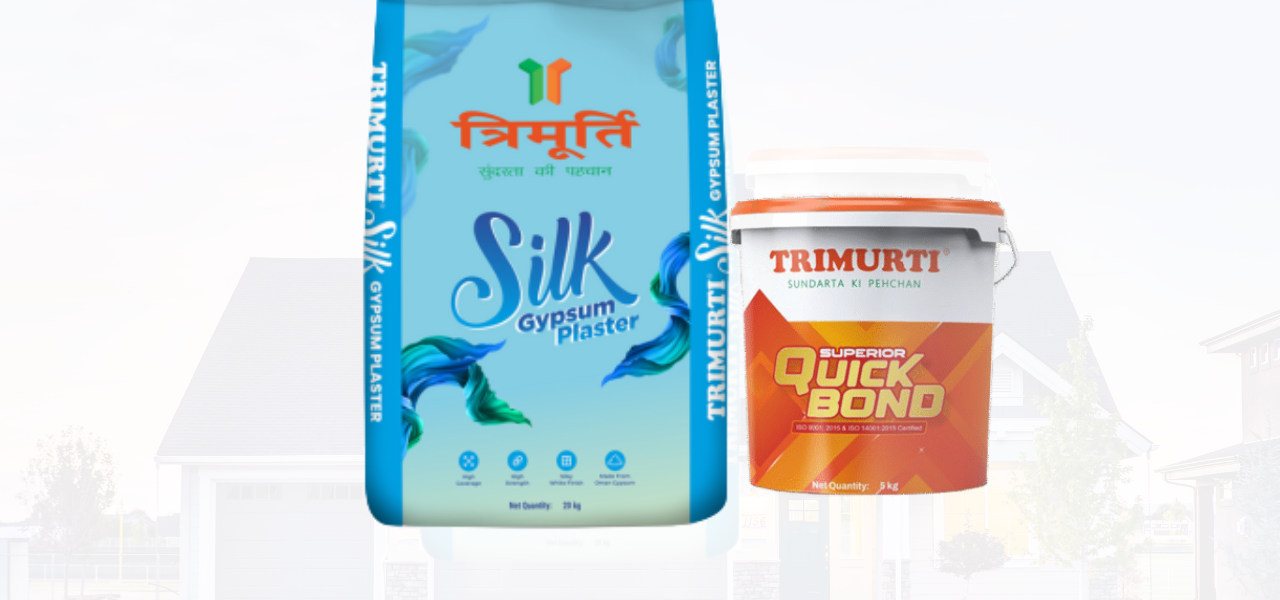
Delivering trusted excellence across modern construction material solutions, Trimurti delivers advanced solutions for gypsum ceiling systems and Trimurti tile adhesive with a strong focus on quality, precision, and modern architectural needs. Their offerings include premium-grade materials, technical support, and customized interior solutions for residential and commercial projects. With a commitment to durability and design excellence, Trimurti ensures seamless execution from planning to installation, achieving refined interiors with long-lasting performance.