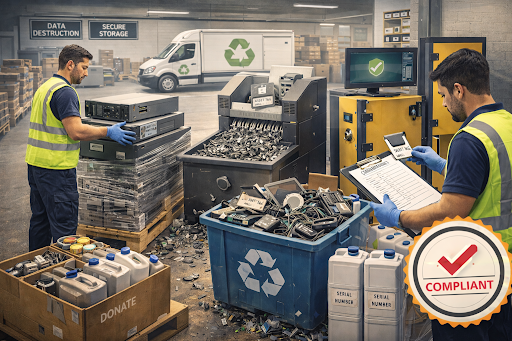

Managing outdated electronic equipment has evolved into a strategic priority for organizations that handle sensitive information and operate under strict regulatory frameworks. From aging servers and storage drives to obsolete desktops and networking hardware, every retired device carries potential risks if not handled properly.
Businesses that neglect secure disposal practices may unknowingly expose confidential data or violate environmental regulations. Partnering with a certified e-waste recycling company enables organizations to dispose of obsolete electronics responsibly while ensuring compliance with data protection and sustainability standards.
A structured and well-documented approach to electronic waste management not only protects corporate information but also strengthens operational integrity and stakeholder trust.
Risks Associated With Improper Disposal
Improper disposal of obsolete electronics can create serious operational, legal, and reputational consequences. Organizations must understand these risks to implement effective safeguards and ensure long-term compliance.
- Data Breach Exposure
Retired IT equipment often retains confidential business records, financial data, intellectual property, and client information. If these devices are discarded without certified destruction or data wiping, unauthorized individuals may recover sensitive content. Such breaches can result in financial losses, litigation, and long-term reputational damage. A proactive disposal strategy ensures that all data is permanently erased before recycling or destruction. - Regulatory Non-Compliance
Data protection regulations and environmental laws impose strict requirements for electronic waste handling. Failure to comply can lead to penalties, operational disruptions, and mandatory audits. Regulatory bodies expect documented proof of secure disposal and proper recycling methods. Without structured compliance processes, businesses may struggle to demonstrate accountability. - Environmental Liability
Electronic devices contain hazardous components such as lead, mercury, and cadmium. Improper dumping can contaminate soil and groundwater, leading to environmental damage and potential legal action. Responsible recycling ensures that harmful substances are treated appropriately while reusable materials are recovered efficiently. - Operational Disruptions
Unplanned or poorly executed asset disposal can interfere with infrastructure upgrades and IT transitions. Missing inventory records or misplaced equipment can create inefficiencies and confusion. A coordinated plan ensures smooth decommissioning while minimizing downtime. - Reputational Impact
Organizations are increasingly evaluated based on environmental and governance practices. Mishandling electronic waste can harm brand image and reduce stakeholder confidence. Demonstrating responsible disposal practices reinforces corporate credibility and ethical standards.
Structured Compliance and Asset Control
A well-defined disposal framework ensures that obsolete electronics are managed securely and in alignment with regulatory standards. Collaborating with an experienced e-waste recycling company in Dubai supports structured processes that protect sensitive data while meeting environmental obligations.
- Certified Data Destruction
Professional providers use advanced destruction methods such as shredding, degaussing, and secure data wiping to eliminate recoverable information. These certified techniques prevent unauthorized access and ensure compliance with data protection requirements. - Secure Collection and Logistics
Controlled pickup and transportation procedures protect devices during transit. Tamper-resistant containers and monitored logistics prevent data exposure before final processing. This ensures chain-of-custody integrity throughout the disposal lifecycle. - Audit-Ready Documentation
Detailed documentation of asset collection, destruction, and recycling activities provides transparency. These records support compliance reporting and internal governance reviews, ensuring organizations remain audit-ready at all times. - Environmentally Responsible Processing
Recycling facilities separate hazardous components from reusable materials. This approach reduces landfill waste and promotes resource recovery, contributing to sustainability objectives while minimizing environmental harm. - Lifecycle Asset Tracking
Accurate tracking of retired assets ensures that every device is accounted for. Maintaining detailed inventories reduces the risk of lost equipment and enhances operational oversight across departments.
Partnering With Certified Professionals
Engaging a reputable e-waste recycling company provides organizations with specialized expertise and structured disposal solutions. Certified professionals offer comprehensive services that align with compliance standards and sustainability commitments.
- Industry Knowledge and Regulatory Expertise
Professional providers stay informed about evolving environmental and data protection regulations. Their guidance ensures that disposal practices remain aligned with current legal frameworks. - Customized Disposal Programs
Each organization has unique operational requirements. Tailored disposal strategies address asset volume, data sensitivity, and industry-specific compliance needs. - Risk Mitigation Strategies
Structured processes reduce the likelihood of data breaches and environmental violations. Preventive measures safeguard corporate assets and brand reputation. - Sustainability Integration
Responsible recycling supports environmental initiatives by recovering valuable materials and minimizing landfill waste. Sustainable disposal practices demonstrate corporate responsibility. - Operational Efficiency
Outsourcing electronic waste management allows internal teams to focus on core functions. Professional handling ensures efficient asset retirement without unnecessary disruption.
Building a Long-Term Compliance Culture
Integrating disposal planning into IT lifecycle management strengthens accountability and reduces long-term risks. Continuous monitoring and improvement ensure compliance remains consistent as regulations evolve.
A culture of responsibility encourages transparency, reinforces data security, and supports environmental stewardship across all operational levels.
- Establish Clear Internal Policies
Organizations should develop documented policies outlining procedures for electronic asset retirement, data destruction, and recycling. These policies must define roles, responsibilities, and approval workflows to prevent ambiguity. Clear guidelines ensure that every department follows standardized disposal protocols aligned with regulatory requirements. - Conduct Regular Compliance Audits
Periodic internal audits help evaluate whether disposal practices meet legal and corporate standards. Audits identify gaps in documentation, asset tracking, or data destruction verification. Proactive assessments enable timely corrective action and strengthen overall governance. - Employee Training and Awareness Programs
Staff members handling IT equipment must understand secure disposal procedures and data protection requirements. Ongoing training sessions reinforce accountability and reduce the risk of accidental data exposure. Educated employees contribute significantly to maintaining compliance across all operational levels. - Implement Comprehensive Asset Lifecycle Management
Integrating disposal planning into the broader IT lifecycle ensures assets are tracked from procurement to retirement. Maintaining accurate inventories and retirement schedules prevents oversight and enhances operational efficiency. Lifecycle management supports both security and compliance objectives. - Strengthen Vendor Collaboration and Oversight
Organizations should evaluate and monitor their disposal partners to ensure adherence to certified standards. Reviewing documentation, certifications, and performance metrics ensures consistent compliance. Strong vendor relationships enhance transparency and reinforce responsible electronic waste management practices.
Conclusion
Obsolete electronics management requires a strategic balance between data security, regulatory compliance, and environmental responsibility. Organizations that implement structured processes and collaborate with experienced service providers significantly reduce risks associated with retired IT assets.
Engaging a certified e-waste recycling company in Dubai ensures secure data destruction, documented compliance, and environmentally sound recycling practices.
With a strong commitment to secure and sustainable electronic waste solutions, Planet Green Recycling (L.L.C) continues to support businesses in protecting sensitive information while meeting compliance standards and advancing responsible environmental practices.