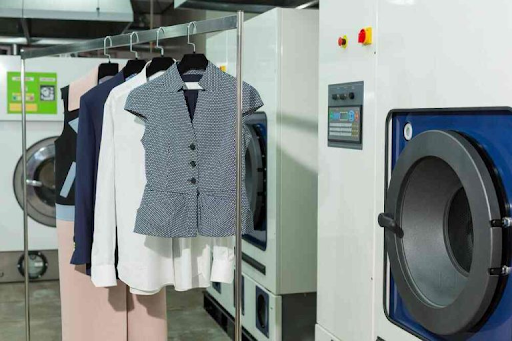

Clothing care has moved far beyond basic washing and ironing routines. Modern textile treatment systems combine chemistry, fabric science, and controlled processing environments to preserve garment structure, color, and texture over time.
What used to be a simple household chore is now supported by specialized workflows that are designed to extend fabric life and improve hygiene outcomes.
Urban consumers increasingly rely on structured garment care ecosystems that include sorting protocols, stain mapping, fiber-specific detergents, and controlled drying cycles.
In large metropolitan regions where climate, dust, and lifestyle demands affect clothing wear patterns, reliance on organized laundry in Dubai service models has become closely tied to wardrobe longevity and fabric performance rather than mere convenience.
The Science Behind Professional Textile Treatment Systems
Professional textile treatment systems are built on fabric classification and process control rather than generic washing cycles. Garments are first categorized by fiber type, dye stability, and soil level before any treatment begins. This prevents cross-damage between delicate and heavy fabrics while preserving color integrity and structural strength.
Moisture levels, wash temperature, and agitation speed are calibrated to match textile requirements. Advanced systems also measure chemical dosage with precision, reducing residue risk and improving rinse performance.
The result is repeatable quality and predictable garment outcomes across different fabric categories. These systems are designed to protect both luxury and everyday wear through controlled treatment logic.
Process Stages That Define Modern Garment Care Workflows
Professional garment care typically follows a staged workflow rather than a single wash cycle. Each stage exists to reduce risk and increase treatment accuracy. Inspection, tagging, and fabric testing often occur before cleaning begins. Stain identification and pre-treatment steps are applied selectively instead of universally.
Cleaning itself may involve wet cleaning, dry cleaning, or hybrid methods, depending on garment construction. Post cleaning stages include structured drying, reshaping, steam finishing, and quality checks. Many providers also separate finishing lines for formalwear, casual wear, and household textiles to maintain handling precision and avoid process overlap.
Fabric Mapping and Pre Treatment Logic
Pre-treatment is guided by fabric mapping and stain classification rather than guesswork. Oils, proteins, pigments, and tannin-based stains each respond differently to treatment agents. Applying the wrong chemical at the wrong stage can permanently set a stain instead of removing it.
Professional workflows, therefore, test and treat locally before full cleaning begins. This targeted approach reduces fiber stress and prevents color spread. It also improves success rates on complex stain patterns that home washing often fails to address properly.
Controlled Chemistry and Detergent Engineering
Modern textile cleaning uses engineered detergents and solvents designed for specific textile families. Wool, silk, synthetics, and blended fabrics each react differently to alkalinity and surfactants. Professional systems adjust chemistry strength to match tolerance levels.
This approach reduces fading, shrinkage, and texture loss across repeated cleaning cycles. Controlled dosing also minimizes chemical retention in fibers. That matters for both wearer comfort and long-term fabric durability, especially for frequently cleaned garments.
Finishing, Pressing, and Garment Structuring
Finishing is not merely aesthetic. Steam, pressure, and shaping tools are used to restore garment geometry after cleaning. Jackets, shirts, dresses, and uniforms each follow different finishing protocols based on construction and seam behavior.
Professional pressing systems regulate heat and moisture to prevent shine marks and fabric glazing. Structured finishing improves drape and fit while reducing fiber fatigue. Over time, this stage contributes significantly to how long a garment maintains its original form.
Service Categories Within Organized Garment Care Providers
Modern garment care providers often operate across multiple service categories instead of offering a single cleaning type. These categories typically include wash and fold, dry cleaning, delicate garment handling, household linen care, and specialty items such as shoes, bags, or soft furnishings. Segmentation allows process specialization and better quality control.
Alterations and minor repairs are frequently integrated into garment care workflows, creating a maintenance loop rather than a one-time cleaning event. Pickup and delivery logistics are also increasingly structured with route planning and garment tracking systems. A typical laundry shop in Dubai today may function as a textile care hub rather than just a washing point.
Everyday Wear and Wash and Fold Streams
Wash and fold streams are optimized for daily wear items such as cottons, blends, and durable synthetics. These streams focus on hygiene, soil removal, and efficient turnaround. Sorting by color and fabric weight remains central to quality outcomes.
Batch processing is balanced with fabric compatibility rules to prevent lint transfer and color bleed. Even in high-volume streams, calibrated wash programs help maintain fabric softness and dimensional stability across repeated cycles.
Delicate and Luxury Garment Handling
Delicate garments require low agitation, controlled moisture, and specialized finishing tools. Items such as embellished dresses, structured suits, and designer wear are often processed individually or in micro batches. Handling protocols prioritize fiber safety and surface detailing.
Inspection checkpoints are added between stages to detect stress or distortion early. This reduces the chance of irreversible damage. Specialized packaging after treatment also helps preserve garment form during transport and storage.
Household Textile and Bulk Item Care
Household textiles such as bedding, curtains, and upholstery covers present different treatment challenges due to size and absorbency. Larger load capacities and extended rinse cycles are typically used. Dust, allergens, and deep soil require stronger but still controlled chemistry.
Drying and finishing methods are adjusted to prevent shrinkage and fiber compaction. Structured folding and packaging also matter here because improper compression can create persistent creases and fiber stress zones.
Final Thoughts on Structured Garment Care Ecosystems
Professional textile treatment is no longer just about cleaning. It represents a managed system of inspection, chemistry control, fabric science, and finishing precision. In metropolitan markets, organized laundry shops in Dubai increasingly operate with multi-service models that include garment care, household textiles, specialty item cleaning, and alteration support under one workflow structure.
Service providers such as Laundroville reflect this broader textile care model by covering categories like wash and fold, dry cleaning, delicate garment handling, household items, and accessory care within a single operational framework.
When such ecosystems are used thoughtfully, they support wardrobe longevity, fabric performance, and consistent presentation without shifting care risk back onto the consumer.