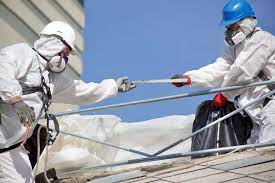
Get a Professional Asbestos Survey to Meet Regulations

Asbestos is a hazardous material that was widely used in construction until it was banned due to serious health concerns. Buildings constructed or renovated before the year 2000 may still contain asbestos in various forms. As a result, regulations in many countries require property owners and managers to identify and manage asbestos risks through professional surveys. Getting a professional asbestos survey is essential for ensuring legal compliance and maintaining a safe environment for occupants and workers.
Why Asbestos Regulations Exist
The danger of asbestos lies in its microscopic fibers. When disturbed, these fibers become airborne and can be inhaled. Long-term exposure is linked to severe illnesses such as mesothelioma, asbestosis, and lung cancer. These diseases often do not appear until years after exposure, making prevention through early detection and proper handling critical.
To reduce the risk of exposure, regulatory bodies have set strict guidelines for identifying, managing, and removing asbestos-containing materials (ACMs). These regulations apply especially to non-domestic buildings, but also to residential properties undergoing major works. A professional asbestos survey is the first step toward meeting these legal requirements.
Types of Professional Asbestos Surveys
There are two primary types of asbestos surveys, each designed for different situations and regulatory needs. A Management Survey is used to locate and assess the condition of ACMs during the normal occupation of a building. This helps ensure that materials are monitored and managed safely without causing harm.
A Refurbishment and Demolition Survey is required before any major renovation or demolition work. This more intrusive survey identifies all ACMs that could be disturbed by structural changes. It allows for safe planning and removal before construction work begins, helping prevent accidental exposure to asbestos fibers.
Benefits of Hiring Certified Professionals
Only certified and experienced surveyors should conduct asbestos surveys. Professional surveyors follow strict safety protocols and use specialized tools to locate potential ACMs. They take samples, test them in accredited laboratories, and prepare detailed reports outlining the findings.
These reports include the type, location, and condition of asbestos materials, along with recommended next steps. The information is crucial for contractors, maintenance teams, and building managers to make safe, informed decisions. Professional surveyors also ensure that the survey meets all legal documentation standards required by local or national authorities.
Ensuring Compliance and Avoiding Penalties
Failing to conduct an asbestos survey can result in serious consequences, including regulatory fines, legal action, or project delays. Authorities may stop construction work or close down buildings that do not comply with asbestos management laws.
By hiring a qualified surveyor, building owners show due diligence in managing asbestos risks. This is especially important in commercial properties, public institutions, schools, and rented housing where the safety of occupants is a legal obligation.
Conclusion
Getting a professional asbestos survey is not just a safety measure—it is a legal requirement in many cases. It helps identify hidden risks, ensures compliance with safety regulations, and protects people from the serious health effects of asbestos exposure. Whether managing an occupied property or planning a renovation, a professional survey provides the knowledge and documentation needed to proceed safely and responsibly.