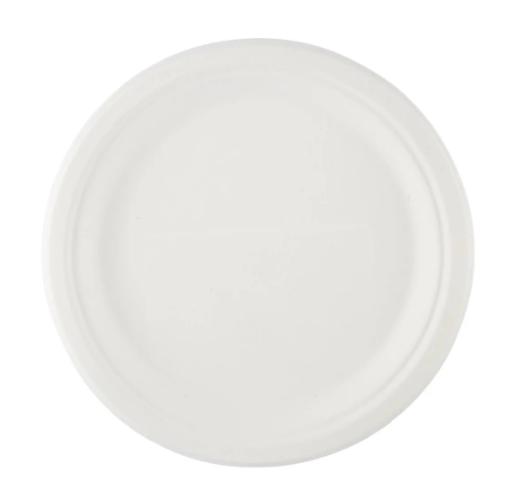
In today’s culinary landscape, sustainability is more than a trend; it is a necessity. Restaurants, cafes, and home chefs are increasingly adopting eco-friendly containers for food in UAE to reduce environmental impact while maintaining quality and presentation. These containers not only minimize plastic waste but also offer safe, hygienic solutions for food storage and transportation. With consumers becoming more environmentally conscious, integrating sustainable packaging into culinary operations is both a responsible choice and a competitive advantage.
The use of sustainable containers complements modern culinary practices by aligning with health, safety, and aesthetic standards. Unlike traditional packaging, eco-friendly alternatives are designed to preserve food freshness and prevent contamination. From takeaways to gourmet presentations, these containers support chefs in delivering dishes that meet customer expectations for both quality and sustainability. They also reflect a brand’s commitment to environmental responsibility, which increasingly influences customer choices and loyalty.
Why Sustainable Containers Matter in Culinary Operations
Sustainable containers play a critical role in various aspects of modern cooking and food distribution:
1. Environmental Responsibility
Single-use plastics are a major contributor to pollution. By shifting to eco-friendly containers for food in UAE, culinary businesses reduce landfill waste and carbon footprint. Biodegradable, compostable, and recyclable materials are increasingly used, including cornstarch, sugarcane, and bamboo-based packaging. Restaurants can also implement reusable container programs, reducing reliance on disposable options entirely. In addition, sustainable containers often align with local environmental regulations, helping businesses avoid fines while demonstrating proactive environmental stewardship.
2. Food Safety and Preservation
High-quality sustainable containers provide robust protection against contamination. They maintain temperature, prevent leaks, and ensure hygiene during delivery or storage. Unlike some cheap plastic alternatives, biodegradable containers are designed for safe food contact without harmful chemicals. Many containers are insulated to maintain hot foods at optimal temperatures or chilled for cold meals, ensuring that meals reach customers in perfect condition. This combination of safety and functionality allows culinary professionals to deliver both convenience and reliability to their patrons.
3. Brand Reputation and Customer Trust
Eco-conscious packaging resonates with modern consumers who prioritize sustainability. Restaurants that adopt environmentally responsible practices often see increased loyalty and positive perception, as patrons recognize and support businesses that care for the planet. Social media campaigns showcasing sustainable packaging initiatives can further amplify this effect. When diners see that their meal comes in a container that’s both stylish and eco-friendly, it reinforces brand credibility and fosters trust.
Key Benefits of Using Sustainable Food Containers
Understanding these advantages can help businesses and home chefs make informed choices that benefit both their operations and the environment.
1. Versatility Across Culinary Practices
Sustainable containers are not just for storage; they are functional across preparation, transport, and presentation. They are ideal for hot, cold, dry, and wet foods, offering durability and reliability in different culinary environments. Cafes, cloud kitchens, and catering services increasingly depend on these versatile solutions to simplify operations and ensure consistent service quality.
2. Enhanced Presentation
Packaging also impacts visual appeal. Transparent lids, innovative shapes, and eco-friendly materials can elevate the overall dining experience. Chefs can showcase layered meals, desserts, or colorful dishes while keeping them safe for transport. Modern sustainable containers allow food to look as appetizing as it tastes, reinforcing the premium quality of the cuisine.
3. Operational Efficiency
Modern containers are designed for efficiency, stackability, and ease of handling. This reduces time spent on packing, minimizes spills, and ensures smoother delivery processes. Staff can quickly prepare large orders without compromising on quality, making sustainable packaging a practical solution for high-volume culinary operations.
4. Cost Efficiency in the Long Term
While eco-friendly containers may have a slightly higher upfront cost than traditional plastics, the long-term benefits, reduced waste disposal costs, improved customer perception, and compliance with environmental regulations offer significant value. Businesses can also explore bulk ordering and supplier partnerships to optimize costs while maintaining sustainability standards.
Trends Driving Adoption of Sustainable Packaging
Several trends are driving widespread adoption of sustainable containers:
- Growing demand for biodegradable boxes for food in UAE from delivery platforms and takeaway services.
- Increased focus on farm-to-table and zero-waste dining, where packaging aligns with responsible sourcing.
- Integration with kitchen aesthetics, where chefs combine sustainability with presentation innovation.
- Consumer preference for brands that clearly communicate environmental commitment through packaging choices.
Common Materials for Sustainable Containers
Understanding materials helps businesses choose the right containers:
- Bagasse (sugarcane fiber): Biodegradable, heat-resistant, ideal for hot meals.
- PLA (Polylactic Acid) Plastics: Plant-based alternatives to conventional plastics, compostable under industrial conditions.
- Bamboo and Palm Leaves: Renewable materials suitable for plates, bowls, and takeout boxes.
- Paperboard and Cardboard: Recyclable options for dry and semi-liquid foods.
Supporting Culinary Creativity
Sustainable packaging complements culinary creativity. Bakers, caterers, and chefs can use Dubai cake decorating supplies alongside eco-friendly boxes to maintain both aesthetic appeal and environmental responsibility. Customized containers, printed designs, and clear viewing lids allow beautifully decorated cakes, pastries, and gourmet meals to reach customers safely while maintaining elegance.
Consumer Engagement and Marketing
Using sustainable containers offers marketing opportunities. Highlighting eco-friendly packaging on menus, websites, and social media attracts environmentally conscious consumers. Businesses can emphasize their commitment to sustainability while showing practical benefits like hygiene, safety, and convenience.
Challenges and Solutions
Some businesses may initially perceive sustainable containers as costlier or less durable. However, advances in materials and bulk procurement have improved affordability and reliability. Certified suppliers now offer containers that meet strict food safety standards, are heat-resistant, leak-proof, and durable for transport.
Conclusion
Integrating sustainable packaging into culinary operations is now essential. Eco-friendly containers for food in the UAE enhance food safety, operational efficiency, and consumer trust. By choosing biodegradable boxes for food in the UAE, culinary professionals reduce waste, improve customer loyalty, and participate in global sustainability efforts. Additionally, using quality Dubai cake decorating supplies supports creative presentation while maintaining environmentally responsible practices.
If you are looking for reliable and high-quality packaging solutions that align with sustainability goals, Hotpack Web Store offers a comprehensive range of sustainable packaging solutions for culinary businesses, including eco-friendly containers, disposable tableware, and biodegradable options. Their products ensure safety, efficiency, and environmental responsibility while supporting modern culinary creativity and trends.